Intro
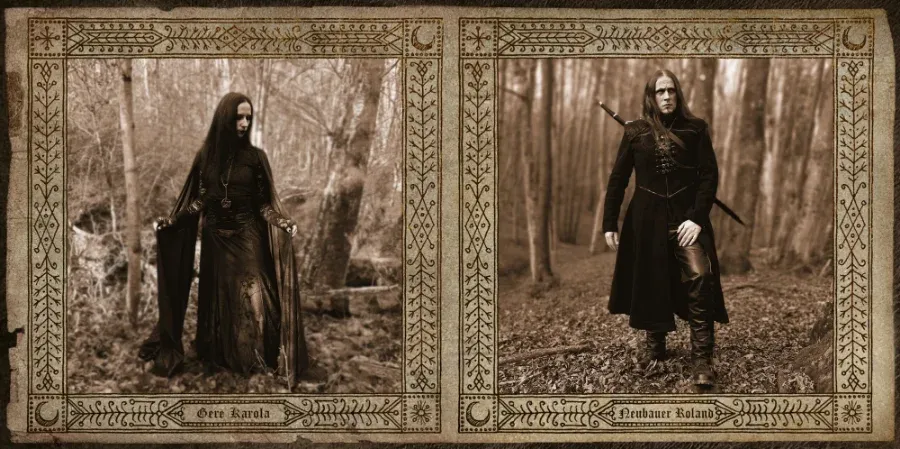
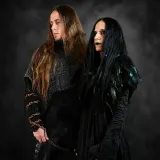
Witcher the Hungarian atmospheric black metal band, has been around for quite some time now. There latest album Öröklét dropped in 2025, so we thought let's check in with the band and see how they are doing and what are they up too. You can read the interview below...
The interview
Before we start, we want to thank you for the time and effort for answering these questions.
"Öröklét" means something close to eternity or legacy. Is that title a comment on the album itself, on the band's now decade-plus run since Boszorkánytánc, or something else entirely?
It is primarily meant to reflect the album’s themes. We did not consciously set out to make a concept album, but the idea of eternity is present, to some extent, in every song. Above all, we chose this title out of respect for our past and our attachment to it because without the past, there can be no future. This idea is already reflected in the album cover, where the knowledge of the old witch lives on in the young woman who bids her farewell, thereby attaining a form of eternity.
"Öröklét" took from 2023 to 2025 to record at Vrag's Forest Studio — the longest gestation of any WitcheR record. What changed for the band during those two years, and did the extra time change the songs themselves?
The two years were spent solely on the recording process; if we include the songwriting, we can say the album took closer to three years to take shape. We don’t want to and, in a way, we simply can’t rush our songs. During this period, I also had two other musical projects that took up a great deal of my time, so that was probably the main reason why the songs took so long to fully develop. We could have finished the album much earlier, but this is how things worked out. Everything has its own place and its own time.
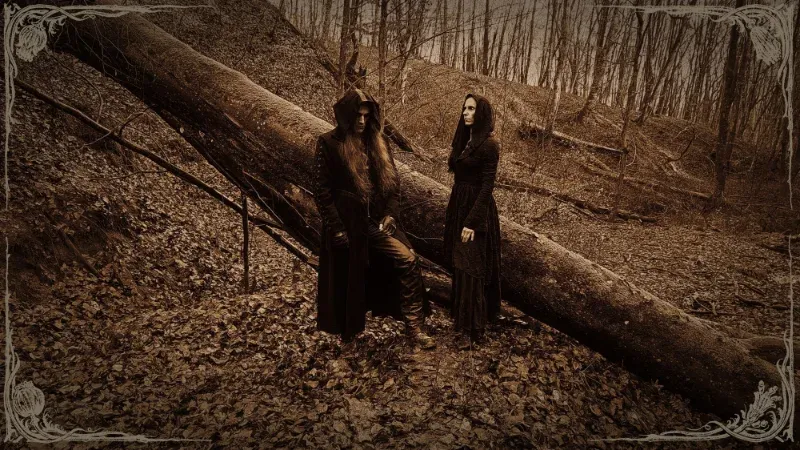
How do you and Karola actually divide the writing? Does a song usually start as a guitar riff you bring to her, or does it work the other way, with the keyboards first?
In the vast majority of cases, the melodies that form the foundation of our songs come from Karola. She often literally dreams them, then writes them down in musical notation the next morning. Of course, there are also times when the basic idea for a song emerges on guitar. You can usually hear that in the final result as well: the faster, more orthodox black metal-oriented passages tend to come from me, but we never turn it into a competition. There is no place for ego in our creative process. What matters is that the finished song reaches the standard we expect from ourselves. We also make every decision together, because the raw melodies and arrangements often need to be altered before they sound exactly the way we envisioned them.
Earlier interviews describe your lyrics as dealing with pain, solitude, hate, philosophy, and paganism. Does "Öröklét" continue that same territory, or does it move somewhere new?
There are countless adjectives that could be applied to our lyrics - the hate for example, certainly isn’t one of them -, but what matters far more is what they are actually about. All of our lyrics are characterized by an attachment to the past and to ancient traditions, as well as by a rejection of many of the ideals of the modern world, all built around the theme of witchcraft. I am convinced that witchcraft has always been about these very things: respecting the old world, understanding that the past should not be hated or erased, but respected, and that the knowledge of previous generations should be passed on to those who come after us.
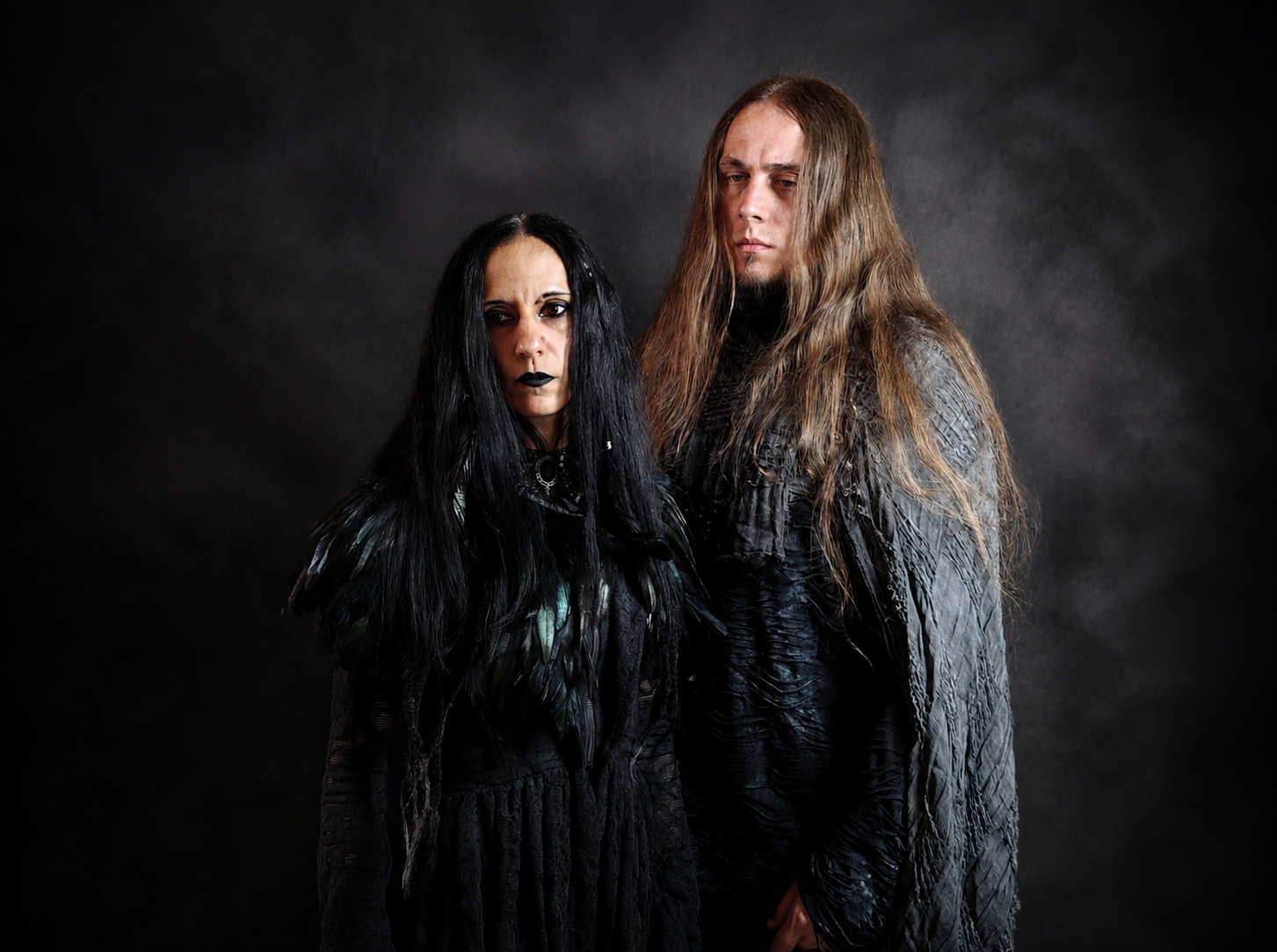
You've used drum programming instead of a live drummer since the start. Is that a sound you've deliberately built the band's identity around, or would a real drummer change things if the right person came along?
I actually started my musical journey as a drummer, so if I put in enough practice, I could play the drums on our records myself. However, it is much more practical to build the drum parts using MIDI. For one thing, the recording process is much simpler; secondly, I can still make adjustments to the drum parts during the mixing stage; and thirdly, it gives me far more possibilities when it comes to the overall sound. These are precisely the reasons why we decided against using a live drummer, even though there would be plenty of people besides myself whom we could ask to play on the recordings. On our last two albums, we haven't really received any criticism regarding the drums. In fact, many people probably didn't even notice that they weren't played by a live drummer because I put a great deal of work into making the end result sound as organic and lifelike as possible.
Classical scores are a major part of all your releases. Is there a reason why they are so present on your albums?
This is largely thanks to Karola. She was the one who really introduced me to classical music and, more importantly, helped me understand just how complex and profound it can be. It is worth mentioning that Karola is a formally trained musician with a university degree in music, and she has been playing the piano since childhood. This has fundamentally shaped her style, both the way she plays and the way she approaches songwriting and the structure of our songs. It was also what gave us the idea of including an arrangement of a classical piece on each of our albums.
In 2024 WitcheR released "Boszorkányszimfóniák" (Witch Symphonies), featuring covers of famous classical pieces. What was the idea behind that record, given how much it differs from your standard releases?
After noticing that these tracks were often singled out on our albums and that the audience really seemed to enjoy them, we decided to put together a release dedicated entirely to this side of our music. At first, we wanted to create a full-length album’s worth of material, but we simply didn’t have enough time, so we “only” ended up with an EP, which we released outside our regular release schedule. Overall, people really seemed to like it. We were a little worried that it might not be black metal enough, but in the end, it worked out really well. People are still looking for it to this day, so it’s not out of the question that we might make a follow-up someday.
Speaking of classical adaptations, the new album closes with a cover of Schubert's Piano Trio No. 2, Andante con moto. What drew you to that specific piece, and how did you go about translating a 19th-century chamber work into a WitcheR track?
Choosing each of these pieces is always a long process because no matter how much we may like a particular work, there’s little point in choosing it if we can’t adapt it to our own style. We had actually selected Schubert’s piece some time ago, but now the time was finally right to record it. It’s not as well known as the “Moonlight Sonata,” which appeared on our previous album, but I think anyone who hears it will recognize it almost immediately. Arranging a piece like this is a lot of work, so we start by finding the original score. Then Karola locks herself away for days, takes the piece apart and puts it back together, creating a version that preserves the original harmonies while still being playable without a full orchestra. Once that’s done, we try adding some drum parts and guitar parts, and if it works, we move on to the recording.
"Röghöz kötött" is a Hungarian expression about being tied to your native soil. What's the song actually about, and how much of it is personal versus something broader about Hungary?
That is exactly what it means, and I’m very glad you looked into it, well done! A similar idea already appeared on our previous album, with the line, “Where I was born, my cross will stand.” The place where we live is very important to us, we are tied to it by a thousand threads. To us, it is a mystical place, a particular environment that we simply call home. So this is not about patriotism. It is simply about the fact that our past and our traditions bind us to this place. The song itself, however, is not about our country—it is a much more personal reflection.
You made official videos for "Örökség" and the title track. What was the visual idea behind those two specifically, and why choose them over the remaining tracks?
There was actually a third video as well, for the song "Szélhozó", and "Örökség" and "Szélhozó" form a larger whole, hey are visually connected to each other. I don’t want to over-explain the videos. We simply wanted to bring to life the images and scenes that came to us while imagining the songs. The video for "Öröklét", however, stands apart from the others. What makes it interesting is that we filmed throughout an entire year, at every major witchcraft-related celebrations and then edited all the footage together to create the final video. None of these are professional productions; they were all made entirely independently, with our own resources. But they capture the atmosphere and visual world that are characteristic of us, and that is what matters most to us.
You engineered, mixed, and mastered this yourselves again, like most of your catalog. After this many releases, what do you still find hardest about doing that part in-house?
That’s right. We really enjoy doing everything ourselves, which obviously limits us in many ways, but at least it means the end result is always exactly the way we want it to be. Every stage of the process has its own challenges. I probably struggle most with getting the guitar sound right, although mixing isn’t always easy either when you’re dealing with so many tracks. We’re not really aiming for perfection or a crystal-clear sound. As long as everything is balanced, has the right atmosphere, and works as a whole, we’re satisfied. With this latest album, however, the much bigger challenge was managing the huge amount of work involved in the release itself.
You also run Filosofem Records, whose current roster consists of your own projects. Are there any open spots for outside artists, or is the label strictly an outlet to release your own music?
That is actually a thing of the past now. We originally founded Filosofem Records to provide our own projects with the right backing for their releases, both in terms of the quality of the physical releases and promotion. However, we have since put the label’s operations on hold for the time being. WitcheR has grown far beyond what we could realistically handle through the label ourselves, so our next album will be released through the German label Northern Silence Productions.
BMZ receives a lot of review requests from brand-new bands. Do you have any advice for emerging artists reading this who want to release their first album?
That’s a very difficult question because 16 years ago, when WitcheR started, the musical landscape was completely different. There were fewer bands to begin with, far fewer opportunities to get your music out there, and AI was something we had only really heard about in science-fiction movies. If we were starting the band today, we might not even begin. But if you really want some advice, I would tell any band about to release their first album that if they truly believe in what they are doing, they should treat the band like a second job. Don’t wait for record labels or opportunities to come along. Be prepared to invest a huge amount of time and money into getting the band and its music in front of people. I think that is the key to moving forward.
And ofcourse the last word is for you and Karola—anything you want to add or say to our readers?
We would like to thank you for the interview, and also for supporting WitcheR for so many years. We greatly appreciate your work and all the help you have given us. We wish you all the best and plenty of perseverance with the magazine in the years to come, and we will remain loyal readers. As a final thought, I would just like to mention that the new WitcheR album is already well underway. If everything goes according to plan, it should be released towards the end of 2027 under the banner of Northern Silence Productions. And there is even a little surprise coming later this year: we will be releasing a brand-new song along with a music video. Anyone who enjoys our music is welcome to get in touch with us or our new label. All of our releases are also available in physical formats!
We would like to thank Witcher for the detailed answers, and we are looking forward to the new album.
Reviews and Support
 Roberto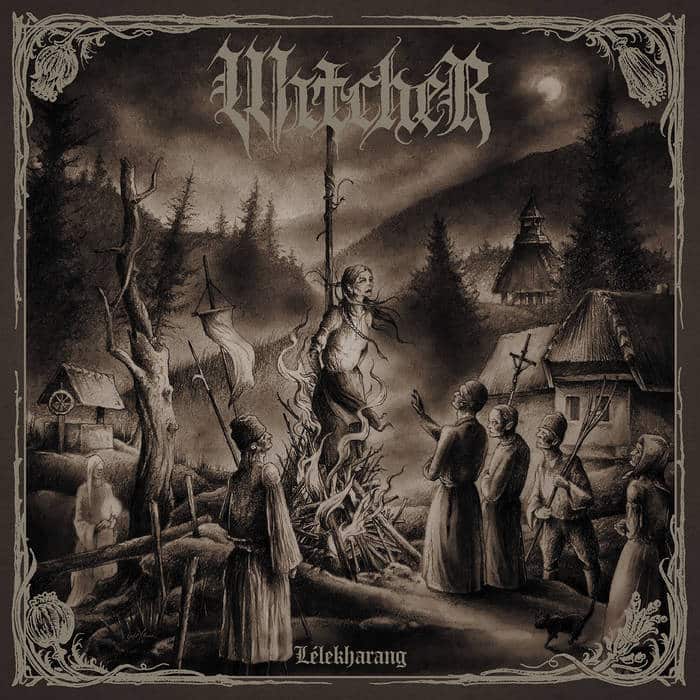
 Roberto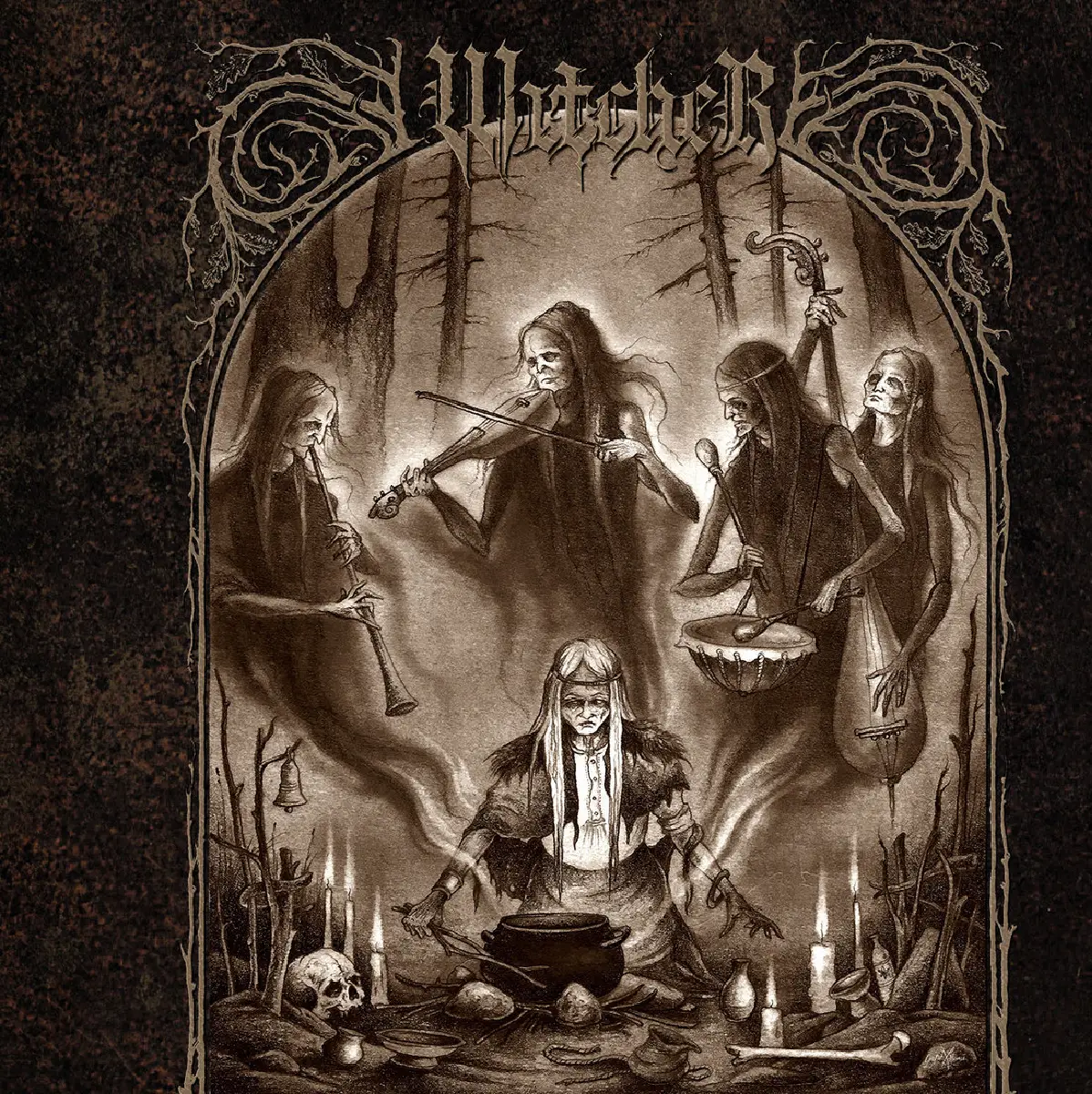
 Roberto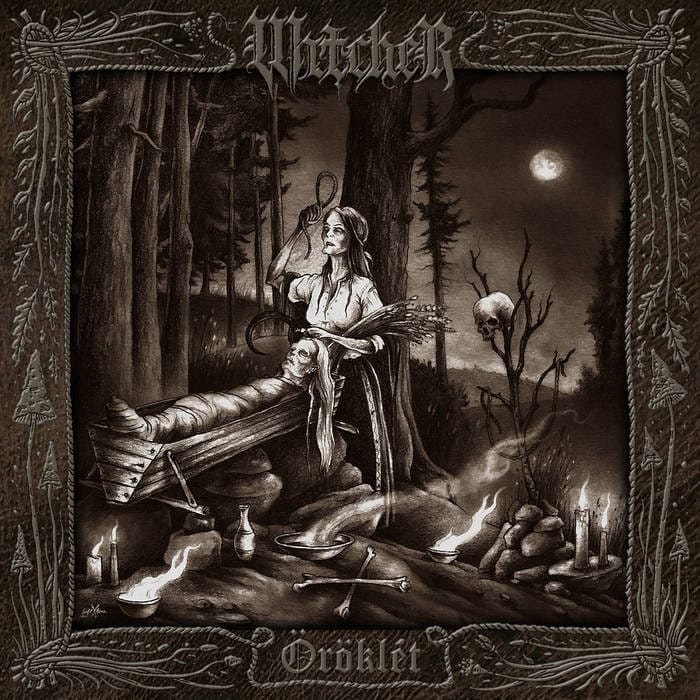
You can support the band here:

Signup to our newsletter and Social Media
Below you can sign up to our newsletter(s) one of those is The Infernal Records, a weekly newsletter where Fractal our dedicated researcher finds new releases of the previous week that are worth your time. You can sign up here:
We also love to hear your thoughts and opinions on our articles, so feel free to follow us on our social media channels. Or join us on Black Metal Promotions, Discord. Where we talk about all things black metal.
You can find us on the following social media outlets:
Facebook: https://www.facebook.com/blackmetalzine/
Instagram https://www.instagram.com/blackmetal.zine/
Threads: https://www.threads.com/@blackmetal.zine