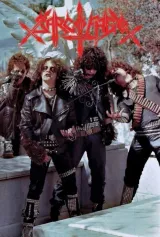
Ask ten metal heads to define “first wave black metal,” aside from the obvious few bands, you’ll likely receive many different answers. Unlike the second wave, which developed a more recognizable musical and aesthetic identity in the early 1990s, the first wave was not a unified movement. It was a turbulent period of experimentation during the mid and late 1980s. Bands from around the world began pushing heavy metal toward something darker, harsher, and more extreme.
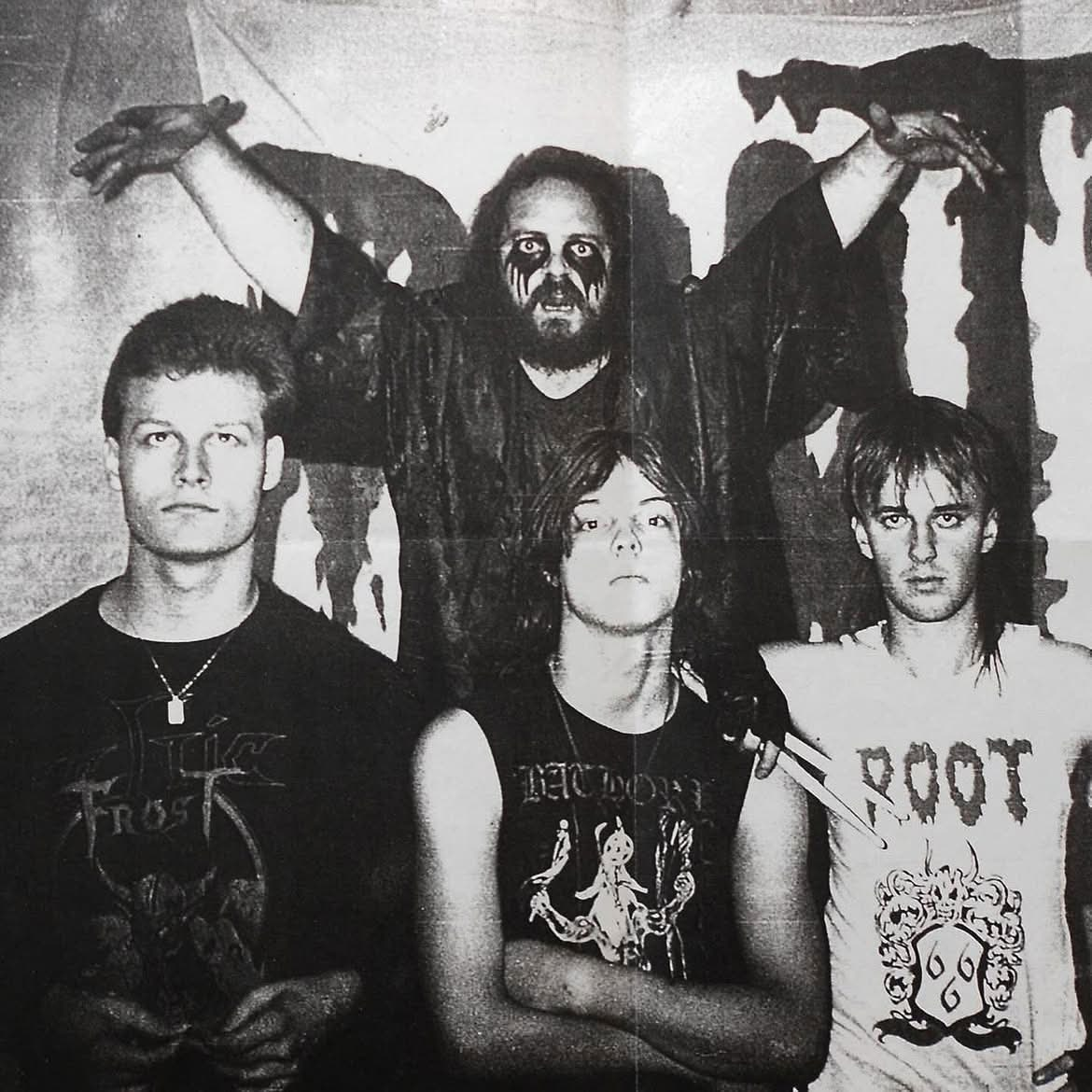
This series will explore that formative era through the lens of regional scenes. Rather than focusing solely on the most famous names, it will examine how different parts of the world interpreted the emerging extreme metal sound and, in doing so, helped shape what would eventually become modern black metal.
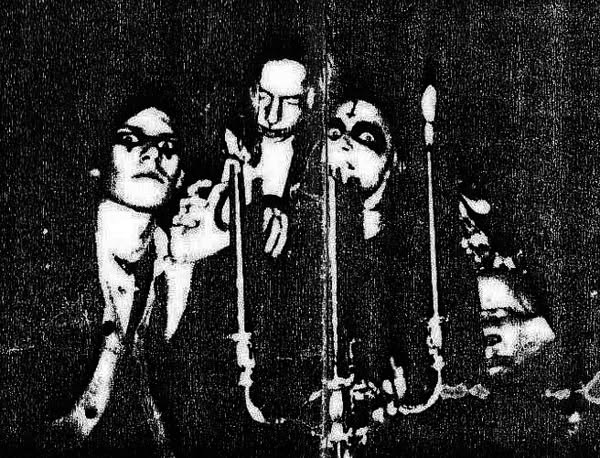
One of the greatest misconceptions surrounding the first wave is that it can be neatly separated from thrash metal or the earliest forms of speed and death metal. In reality, those boundaries were often nonexistent or unknown. During the 1980s, the extreme metal underground was still taking shape, and musicians were drawing inspiration from the same pool of influences: NWOBHM, hardcore punk, and goth rock/post punk. As a result, many first wave bands comfortably occupied the space within black, thrash, speed, and death metal.
This overlap is not a flaw in classification, it is precisely what makes the first wave so fascinating. A band might be remembered today as a thrash act while embracing lyrical themes, imagery, and atmosphere that would become hallmarks of black metal. Others leaned heavily into primitive death metal, while retaining the raw occult spirit that defined the era. Genre boundaries that seem obvious in hindsight simply did not exist in the underground of the 1980s.
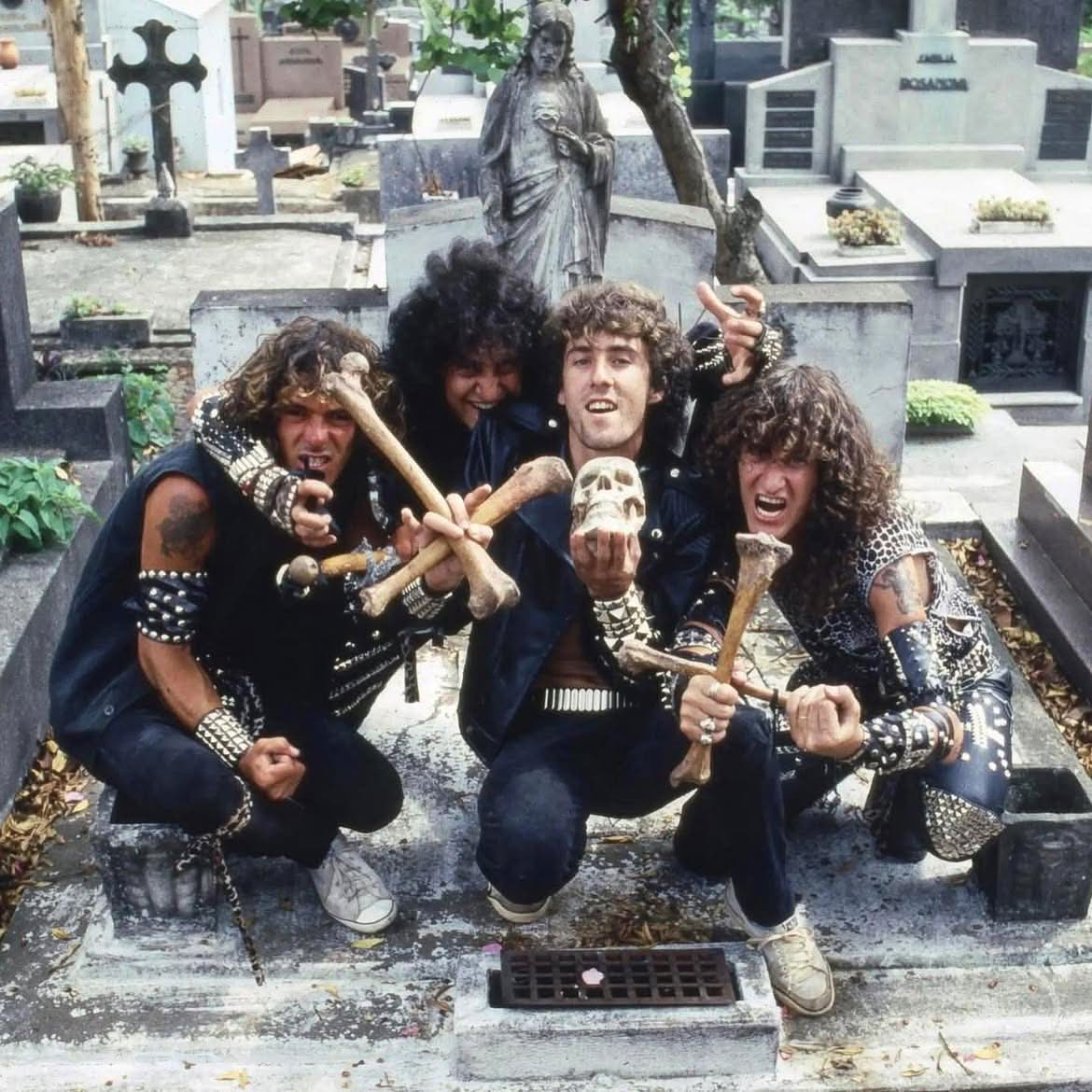
For that reason, this series adopts a broad historical perspective. Bands are included not because they conform to modern definitions of black metal, but because they contributed to its evolution. If a band helped establish the sound, imagery, attitude, or ideology that later generations expanded upon, they deserve a place in its history.
Each article examines a different region of the world, highlighting the bands, recordings, and local scenes that developed their own interpretations of extreme metal. Some regions produced chaotic blackened thrash. Others emphasized occult atmosphere, primitive production, or increasingly aggressive songwriting. Together, these scenes formed a worldwide underground network connected through tape trading, fanzines, and an unwavering desire to push metal beyond its established limits.
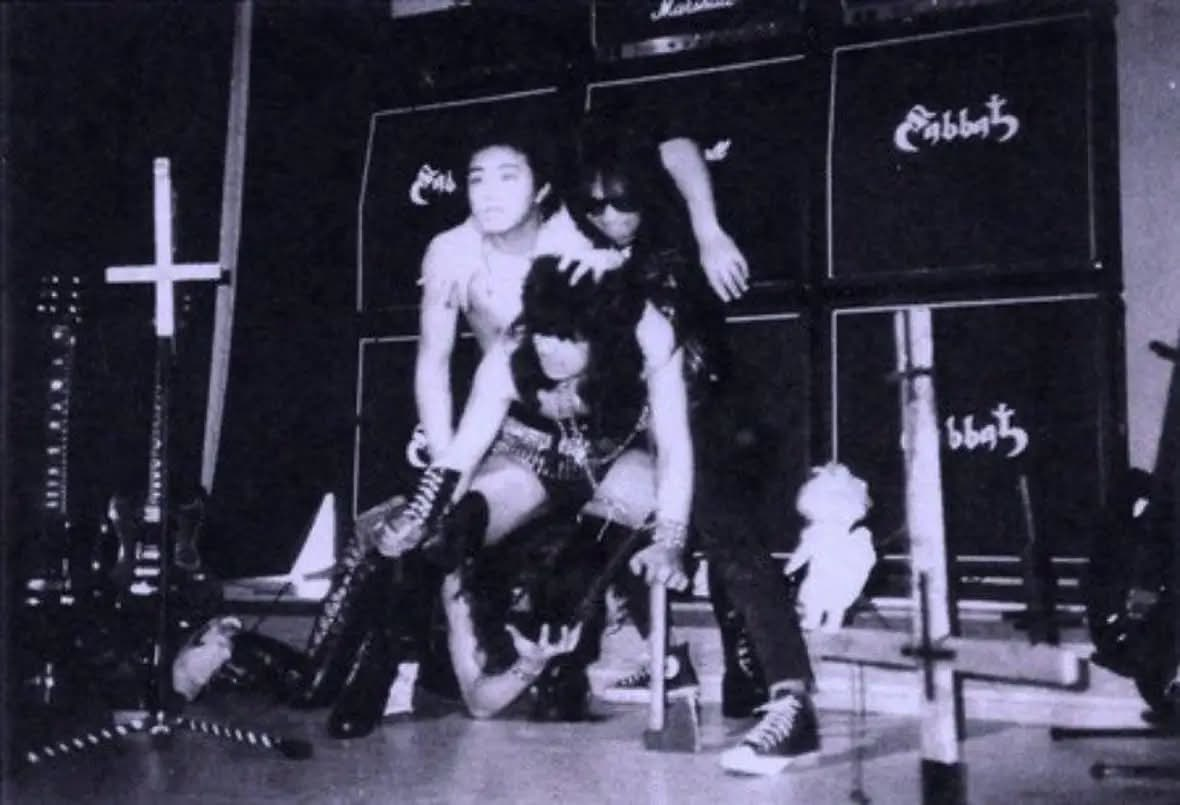
The first wave was never confined to a single country or defined by one sound. It was an international movement of innovators, laying the foundation for everything that followed. To understand black metal as it exists today, one must first understand the diverse, chaotic, and often overlooked origins that gave birth to the genre.
This series will be an exploration of those origins.
Signup to our newsletter and Social Media
Below you can sign up to our newsletter(s) one of those is The Infernal Records, a weekly newsletter where Fractal our dedicated researcher finds new releases of the previous week that are worth your time. You can sign up here:
We also love to hear your thoughts and opinions on our articles, so feel free to follow us on our social media channels. Or join us on Black Metal Promotions, Discord. Where we talk about all things black metal.
You can find us on the following social media outlets:
Facebook: https://www.facebook.com/blackmetalzine/
Instagram https://www.instagram.com/blackmetal.zine/
Threads: https://www.threads.com/@blackmetal.zine