Part 4: Summoning (continued)
We left off last week with "Dol Guldur", Summoning's best selling album of all time. This week we will take a look at what I consider the "Golden Age" of Summoning's discography and conclude our look into their influence on Tolkienian Black Metal.
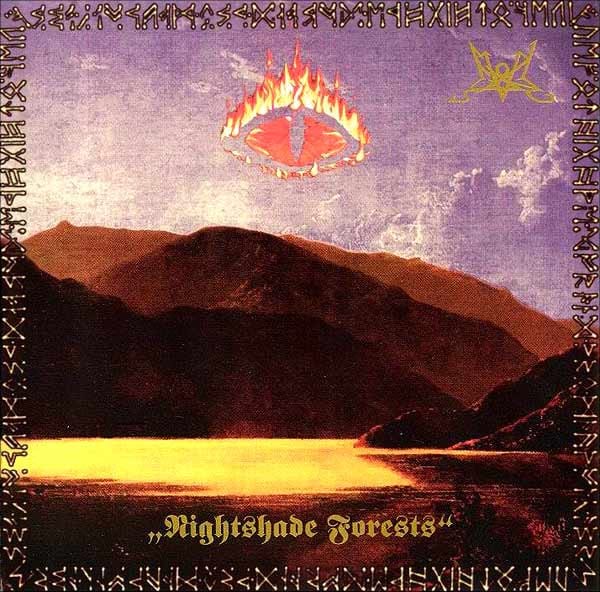
Nightshade Forests (1997)
Between full-lengths, Summoning released "Nightshade Forests", an EP collecting shorter, more atmospheric material that confirmed the band had settled permanently into the "Minas Morgul" sound rather than treating it as a one-off experiment.
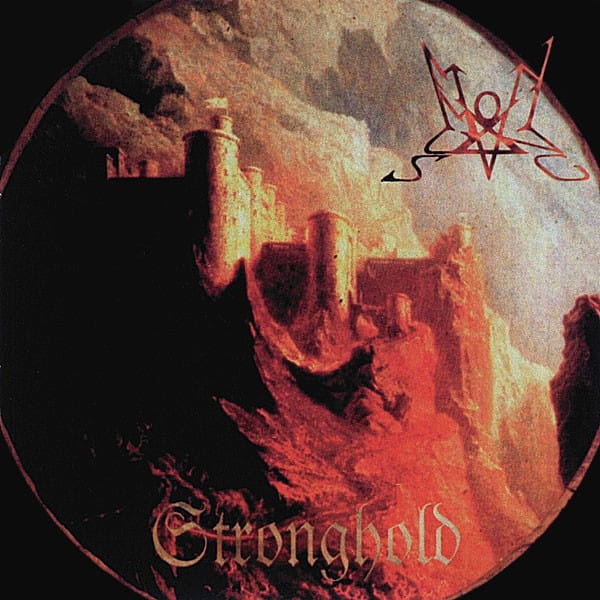
Stronghold (1999)
Then came "Stronghold", released in 1999 and frequently cited by many fans as the pinnacle of Summoning's discography, the album where the atmospheric formula reached its fullest, most confident expression. It marked a deliberate shift toward a more guitar-oriented approach layered under more compact, focused keyboard melodies, rather than letting synthesizers dominate the mix entirely as on the two previous records. "Where Hope and Daylight Die" features a guest lead vocal from Tania Borsky, Protector's former bandmate in Die Verbannten Kinder Evas, one of the only times another voice appears on a Summoning album at all. The album's cover art borrows John Martin's 1817 painting "The Bard", and it was the first Summoning release to weave in outside audio samples, using dialogue lifted from film to bridge songs with spoken atmosphere, a device the band would return to repeatedly in later albums.
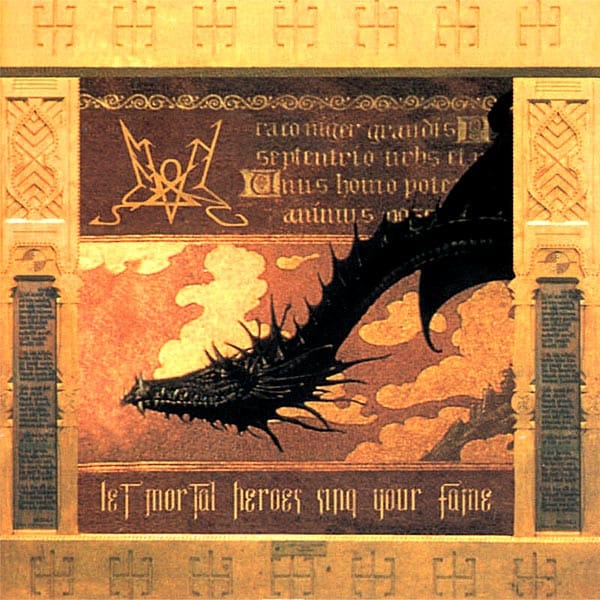
Let Mortal Heros Sing Your Fame (2001)
"Let Mortal Heroes Sing Your Fame" pushed the band's formula in two new directions at once: it was the first Summoning album to feature clean, sung vocals, arriving on the chorus of closing track "Farewell," alongside Protector and Silenius's usual shrieking; and it was the first to make extensive use of outside audio samples specifically pulled from BBC radio dramatizations of "The Lord of the Rings", giving several tracks a genuinely dramaturgic, audio-play quality rather than simply narrating events in lyrics. Song titles like "In Hollow Halls Beneath the Fells" and "The Mountain King's Return" continued the band's habit of evoking specific, often quite obscure Middle-Earth geography and events rather than leaning on the most famous scenes from the films.
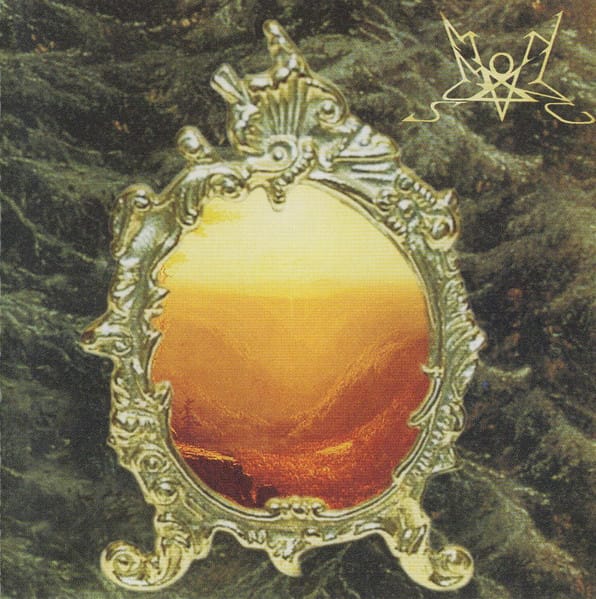
Lost Tales (2003)
"Lost Tales", another EP, gathered additional material in the same vein rather than marking a new creative phase, useful chiefly as evidence of how much material the band had generated by this point in their career, and how consistent the well of Middle-Earth inspiration remained even a decade in.
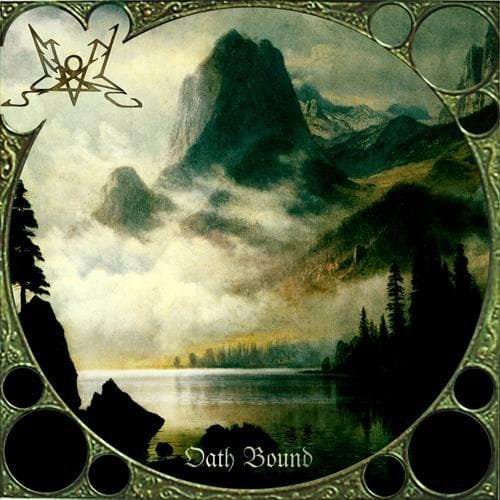
Oath Bound (2006)
"Oath Bound", released in 2006, turned specifically to "The Silmarillion"'s First Age material, the album's very title refers to the Oath of Fëanor, the ruinous vow sworn by Fëanor and his seven sons never to permit anyone else to hold the Silmarils, a vow that drives them to kinslaying, exile, and the destruction of nearly everything they claimed to be defending across the whole First Age. Musically and thematically, this is arguably Summoning's most ambitious record: "Mirdautas Vras" is, aside from a few phrases used in the Peter Jackson films' own soundtrack, the first song ever written entirely in Tolkien's invented Black Speech of Mordor, not a single borrowed word or place-name, but a complete lyric composed in a constructed language built for villains, sung by a band that had spent over a decade proving those villains' vocabulary could carry real emotional and artistic weight. "Might and Glory" and "Land of the Dead" (the band's longest song to date) both feature a self-performed choir chorus, echoing the clean-vocal experiment of the previous album but expanded into something closer to massed liturgical chant. The album's cover art and booklet draw on paintings by the German-American landscape painter Albert Bierstadt, giving the whole release a vast, sublime, distinctly nineteenth-century visual register to match its First Age scope.
After "Oath Bound", Summoning went silent for seven years, the longest gap in the band's history at tgis point, and long enough that many fans assumed the project was simply over. Silenius has since explained the silence plainly: he found himself creatively empty, unable to locate any new angle on a band whose entire premise he felt had already been fully explored, and he spent much of the intervening time working on his other project, Kreuzweg Ost. Partway through that period, Silenius suffered a heart attack, an event he has since described, with some candor, as the thing that ultimately shook him out of the creative paralysis and reconnected him with the urge to write riffs again.
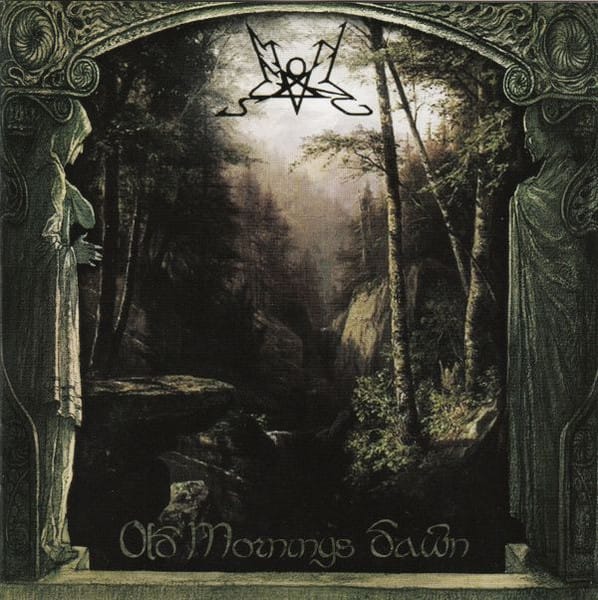
Old Mornings Dawn (2013)
"Old Mornings Dawn" was the direct product of that recovery. Protector has described the album's guitar sound as deeper and more directly black-metal-styled than anything on earlier records, with reduced reverb specifically intended to let the increased structural complexity read more clearly than the wash of atmosphere the band had leaned on before. With bonus tracks included on the box-set and vinyl editions, it stands as Summoning's longest release.
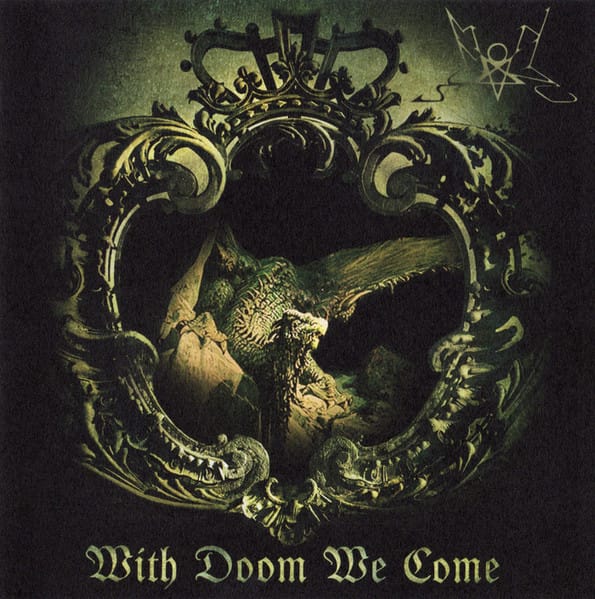
With Doom We Come (2018)
Summoning's most recent full-length to date, "With Doom We Come", arrived in January of 2018. Its title is drawn directly from the books: it is spoken by Treebeard as the Ents march on Isengard in "The Two Towers", one of the more recognizable single lines the band has ever built an album title from, a fitting choice, given that the Ents' slow, ancient, near-geological rage against Saruman's industrial despoiling of Fangorn is one of the legendarium's clearest images of nature itself finally striking back. The cover reproduces Georg Janny's 1917 painting "The Dragon's Cave". In interviews around the release, Silenius described the album candidly as a kind of "little brother" to "Old Mornings Dawn" built, in part, from riffs and half-finished songs left over from that album's own sessions. Track by track, the record continues the band's habit of reaching for specific, sometimes deep-cut Tolkien material: opener "Tar-Calion" is named for the last king of drowned Númenor from the "Akallabêth", whose hubristic invasion of Valinor triggers the literal sinking of his entire island civilization; "Carcharoth" tells the story of Angband's monstrous wolf, bred by Morgoth specifically to devour the Silmaril Beren had stolen from his iron crown. The album proved that even eight albums and twenty-three years into the project, Summoning's atmosphere, ambition, and specificity of reference remained unmatched by anyone attempting the same thing. As of this writing, "With Doom We Come" remains Summoning's last release. While I remain hopeful, the time lapsed since then has already surpassed the last gap between releases, but for a band whose history includes one seven-year silence already, and whose members have never treated a long gap between records as evidence the project has ended, there still may be a chance for another Summoning albun.
One detail deserves emphasis precisely because of something I mentioned in Part 2: across more than three decades and eight albums, Summoning has never been associated with the National Socialist Black Metal (NSBM) current running through parts of this scene. Their engagement with Tolkien reads as sincere world-building rather than ideological camouflage, a meaningful distinction given how much of this history sits uncomfortably close to real-world extremism. This as one of the more reassuring aspects of digging into Summoning's catalog: the earnestness is not a cover for something else. Its sincere.
This is an element that I perosnally feel is extremely important when considering the source material. This isnt surface level borrowing of names, that more often than not is just cringe level Satanism or "evil" masquerading itself as a Tolkien themed band. This is sincere and honest in its scope and magnitude. Summoning treated the legendarium with the diligence and respect it deserves. Hence why, in my opinion, they are the true guardians of Middle-Earth.
One further fact underlines just how singular Summoning's position in this history is: the band has never performed a single live show, and both members have said plainly they have no interest in ever doing so. That a genuinely reclusive two-person studio project could still become the reference point every subsequent Tolkien-themed black metal band gets measured against is itself part of the case for calling them the genre's gold standard: the influence travels entirely through the music, with none of the usual scene-building mechanisms other bands rely on. The clearest proof of that influence is a compliment few black metal bands ever receive: a various-artists tribute compilation, "In Mordor Where the Shadows Are - A Homage to Summoning", has gathered other acts' cover versions and tribute tracks in the band's honor, the kind of gesture usually reserved for bands with decades of packed tours behind them, not two people who have never once stepped on a stage.
Summoning's influence didn't stay contained to one tribute compilation, it generated something close to a genuine subgenre, often called "epic black metal", defined almost entirely by imitating the "Minas Morgul" template: slow programmed drums, dominant synthesizers, distant reverbed vocals, and fantasy-literature lyrical content.
The clearest inheritor is Caladan Brood, a two-person project from Salt Lake City, Utah, formed in 2008. Their singular 2013 release "Echoes of Battle" is constantly described by critics and fans as the album that finally matched Summoning at its own game, except Caladan Brood pointedly did not use Tolkien. Instead they built their epic black metal around Steven Erikson's "Malazan Book of the Fallen", a modern epic-fantasy series often cited as rivaling Tolkien and George R.R. Martin in scale. Caladan Brood is the single best proof that "Tolkien black metal" had, by the 2010s, become a reusable musical template, one other fantasy universes could be poured into just as easily.
Other acts stayed loyal to the source. Emyn Muil, a one-person project named for the rocky maze east of the Anduin where Frodo and Sam become lost and first encounter Gollum, follows the Summoning template closely enough that reviewers treat it as close to a direct continuation, right down to a track named after Túrin Turambar.
Avathar, a Finnish two-person project formed in 2000, its name drawn from the dark land south of Aman where the primordial spider-demon Ungoliant dwelled before helping Melkor destroy the Two Trees of Valinor, has said openly that Summoning is its main musical influence, though it has since grown a fuller, more varied sound of its own, adding female vocals and leaning more heavily on samples drawn directly from Peter Jackson's films. Both bands, tellingly, appeared on the Summoning tribute compilation mentioned above. Together, Summoning, Caladan Brood, Emyn Muil, and Avathar sketch out the genre's whole arc in miniature: invention, imitation-with-substitution, and imitation-with-fidelity, in two different registers and every one of the current-wave bands covered later in this article is, whether they credit it explicitly or not, still working somewhere in the shadow of the sound Summoning built between "Lugburz" and "Minas Morgul" thirty years ago.
Stay tuned, next week we explore the wider constellation of Tolkienian Black Metal. In the mean time check out these Summoning albums. ⚔️
Signup to our newsletter and Social Media
Below you can sign up to our newsletter(s) one of those is The Infernal Records, a weekly newsletter where Fractal our dedicated researcher finds new releases of the previous week that are worth your time. You can sign up here:
We also love to hear your thoughts and opinions on our articles, so feel free to follow us on our social media channels. Or join us on Black Metal Promotions, Discord. Where we talk about all things black metal.
You can find us on the following social media outlets:
Facebook: https://www.facebook.com/blackmetalzine/
Instagram https://www.instagram.com/blackmetal.zine/
Threads: https://www.threads.com/@blackmetal.zine